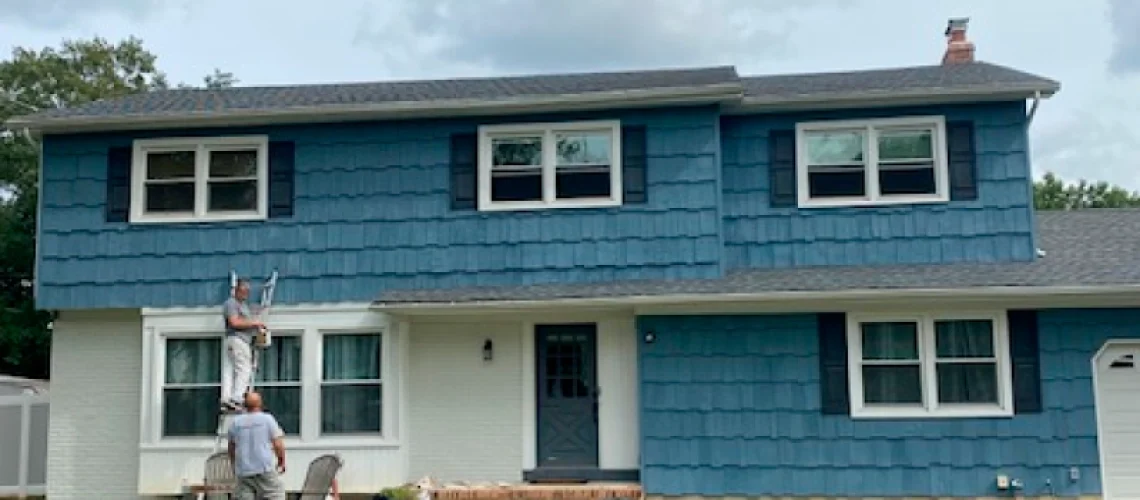
Interior Wall Painting: Step-by-Step Guide for a Professional Finish
It can brighten a dark room. It can make a small space feel larger. It can turn an outdated space into one that feels new. Interior wall painting is one of the most effective ways to improve your home. When done correctly, interior wall painting delivers smooth coverage, clean lines, and long-lasting results. When rushed, it shows every flaw. This step-by-step interior wall painting guide will show you exactly how to get a professional finish. You will learn how to paint interior walls the right way, which tools to use, and which interior painting techniques create even, clean coverage. Whether you are tackling home interior wall painting yourself or planning to hire help, this guide will prepare you for success.Why Interior Wall Painting Matters
Walls take the most visual space in any room. Scratches, stains, and faded color make a home feel worn. Clean, freshly painted walls make it feel cared for. Quality interior wall painting can:- Increase property value
- Improve light reflection
- Protect drywall from moisture and wear
- Cover stains and minor damage
Step 1: Plan Before You Start
Every successful interior painting guide starts with planning. Before opening a paint can, answer these questions:- What color fits the room’s lighting?
- What finish works for this space?
- How much paint do I need?
- Do I need a primer?
Step 2: Choose the Right Paint and Finish
Choosing paint is more than picking a color. The finish affects durability and appearance. The best way to paint interior walls starts with selecting the right type of paint for each room.Common Interior Paint Finishes
Flat or Matte- Hides imperfections
- Ideal for ceilings and low-traffic rooms
- Soft sheen
- Good for living rooms and bedrooms
- Easy to clean
- Suitable for hallways and children’s rooms
- Moisture resistant
- Often used in kitchens and bathrooms
Step 3: Gather the Right Tools
Good results require good tools. For painting interior walls, you will need:- High-quality roller frame
- Roller covers with proper nap thickness
- Angled brush for cutting in
- Paint tray and liners
- Drop cloths
- Painter’s tape
- Sandpaper
- Spackle and putty knife
- Primer
- Ladder
Step 4: Prepare the Room
Preparation is the foundation of smooth interior wall painting. Skipping this step leads to visible flaws.Clear and Protect the Area
- Move furniture to the center or remove it
- Cover floors with drop cloths
- Remove switch plates and outlet covers
- Tape off trim and ceiling edges
Clean the Walls
Dust and grease prevent paint from sticking. Use mild soap and water. Rinse lightly and allow the walls to dry fully before painting.Repair Imperfections
Fill nail holes and cracks with spackles. Let it dry. Sand smooth. Wipe off dust with a damp cloth. Proper surface prep is one of the most important interior painting techniques. Smooth walls produce smooth results.Step 5: Apply Primer When Needed
Primer helps paint stick and look even. Use primer when:- Painting over dark colors
- Covering stains
- Painting new drywall
- Switching paint types
Step 6: Cut In First
Cutting in means painting edges before using a roller. Use an angled brush to paint:- Along ceilings
- Around windows and doors
- Along baseboards
- Inside corners
Step 7: Roll the Walls Correctly
Now it is time to roll. Pour paint into the tray. Dip the roller lightly. Roll off excess paint. Use a W pattern on the wall. Fill in without lifting the roller too often. This spreads paint evenly and prevents streaks. Do not press too hard. Let the roller do the work. Apply thin, even coats. Two coats usually provide better coverage than one heavy coat. This is one of the most reliable interior painting techniques for consistent results.Step 8: Allow Proper Dry Time
Rushing leads to smudges and peeling. Follow the paint label for drying times. Most latex paints require:- 2 to 4 hours before recoating
- 24 hours before heavy contact
Step 9: Inspect and Touch Up
After the second coat dries, inspect your walls. Look for:- Thin spots
- Roller marks
- Missed edges
Common Mistakes to Avoid
Even experienced DIY painters make mistakes. Avoid these common issues when painting interior walls: Skipping Prep Work Unprepared walls show flaws through the paint. Using the Wrong Roller Nap Too thick leaves texture. Too thin reduces coverage. Overloading the Roller Drips and uneven coverage follow. Ignoring Lighting Check your paint color under natural and artificial light. Applying One Thick Coat Multiple thin coats last longer and look smoother. Following a clear interior wall painting guide reduces these problems.When to Consider Professional Help
Some projects are simple. Others are complex. Consider professional help when:- Painting tall stairwells
- Updating multiple rooms
- Covering severe wall damage
- Painting commercial spaces